




Love, Stress, and Fertility: How Emotional Well-Being Impacts Your Reproductive Health
February often brings conversations about love and connection—but for many navigating fertility challenges, it can also amplify stress, grief, and emotional exhaustion. While stress does not cause infertility, emotional well-being plays a meaningful role in how the reproductive system functions.
How Stress Interacts With Fertility
Chronic stress activates the body’s “fight or flight” response, increasing cortisol and adrenaline. Over time, this can affect the hormonal communication between the brain, ovaries, and uterus.
- Stress may influence:
- Ovulation timing
- Menstrual cycle regularity
- Sleep quality and energy levels
- Emotional resilience during treatment
This does not mean you need to “relax” to get pregnant. It means your emotional experience deserves care alongside your physical health.
Why Emotional Care Is Part of Fertility Care
Fertility treatment involves waiting, uncertainty, and vulnerability. Supporting emotional well-being can:
Improve patient confidence and clarity
Reduce feelings of isolation
Strengthen communication with providers and partners
At Aspire, emotional health is not an afterthought—it’s part of whole-person care.
Supportive Ways to Care for Your Nervous System
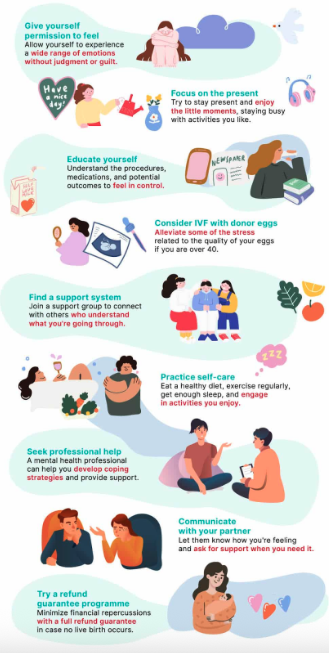
Rather than eliminating stress (which isn’t realistic), focus on regulation:
- Predictable routines
- Gentle movement and breathwork
- Limiting exposure to unhelpful advice or comparisons
- Seeking professional emotional support when needed
Your emotional experience is valid. Caring for it is not optional—it’s compassionate.

